The payee is the first line we read.
A receipt, a letter, and a vendor bill can share a week without sharing a payee.
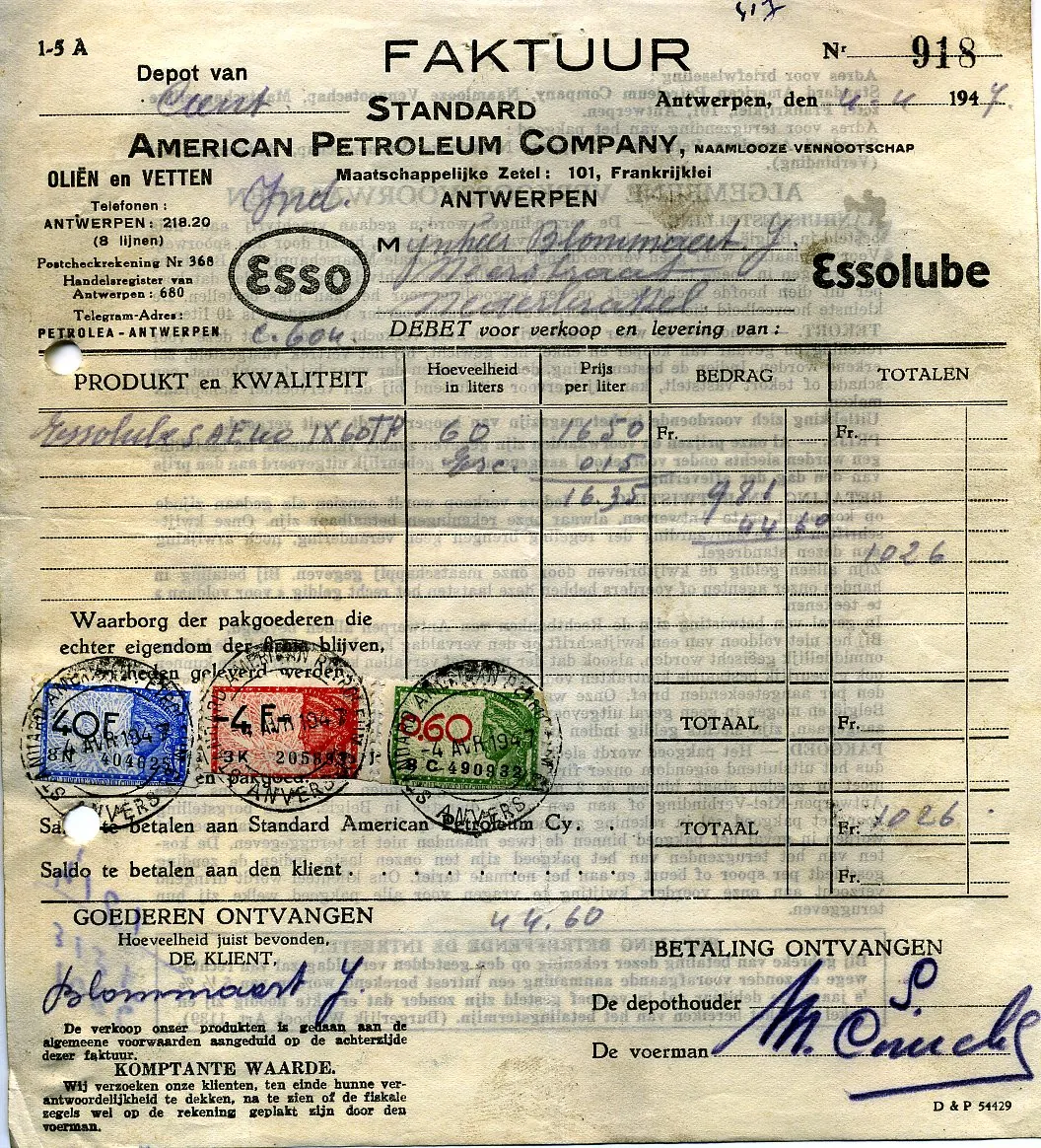
Start with the line that names who is to be paid. That line is the payee. Everything else on the page, including a seal, a barcode, or a stern font, is decoration until the payee is clear. We have watched owners sort a pile by color and still mix up three different asks.
The office that accepted the company is a public payee. Its receipt belongs to the formation. It is usually a one-time page. You can hold it next to the formation date and see that they match. When they match, we post that amount to that payee and we stop. We do not copy the amount onto a later year just because the company name is the same.
A vendor is a private payee. The invoice may say the work was a filing package, a registered agent year, or a kit. The payee is still the shop that sent the bill. We book it as that shop. We do not relabel it as if the office that accepted the company had sent it. Relabeling is how a service fee starts to look like a tax.
The IRS letter that assigns an employer number sits in a third pile. It names the agency and it names the number. It does not name an amount you owe for the letter itself. If a dollar figure is not on the page, we do not invent one so the pile feels complete. Completeness is three named papers, not one blended total.
When the letterhead is confusing, we read the remittance line. Who is the check supposed to be payable to? That name is the payee even if a logo above it looks governmental. A vendor can rent the look of authority. The payable line cannot hide the shop's own name if you read it slowly.
We also read the date against the life of the company. A page dated on the formation day is not the same document as a page dated a year later, even when both mention an annual duty. The later page gets its own explanation on the yearly report page. Forcing it backward onto the formation receipt makes the books lie about when the cash left.
If you have two pages and you cannot tell which payee is which, send both descriptions in the form. Say what the payable line says in your own words. We would rather see uncertain words than a guessed category. A wrong category posts the cash to the wrong account, and the return later inherits the mess.
The books page shows where a named payee lands in the chart. The IRS page shows why the number letter often has no amount. This page is only the sorting. Sorting is the whole job when the week of formation dumps every envelope on the same table.
Name the payee you see.
Say which paper is in your hand.
You will be talking to the Steven Palmieri practice.